
Car repairs are expensive, inconvenient, and almost always happen at the worst possible time. But here’s what most drivers don’t realize: the majority of common repairs are completely preventable. That $800 brake job? Could have been avoided with $50 worth of brake pads replaced at the right time. That $1,500 cooling system overhaul? Might have been prevented with a simple hose inspection and coolant flush.
We see it every day. People ignore small warning signs until they become major problems. The good news is that understanding the most common repairs and what causes them puts you in control. Let’s break down the five repairs we see most often and exactly how you can avoid them.
1. Brake System Replacement
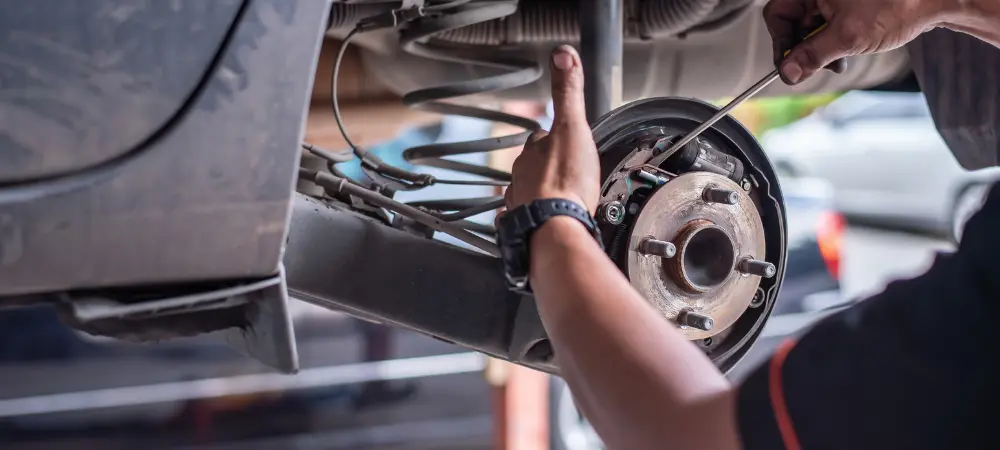
Brake repairs top the list because brakes are wear items that eventually need replacement on every vehicle. But there’s a huge difference between a simple pad replacement and a complete brake system overhaul.
Brake pads wear down over time through normal use. When they get thin, a metal indicator creates that squealing sound you hear. That’s your warning to replace them soon. Ignore that squeal, and you’ll grind through the pads completely, damaging your rotors in the process. Now instead of a $200 pad replacement, you’re looking at $600 to $800 for pads and rotors.
How to avoid it
Listen for squealing and address it immediately. Have your brakes inspected during oil changes. Don’t ride your brakes going downhill, use lower gears instead. Check your brake fluid level monthly. Catching worn pads early is the difference between a minor service and a major repair bill.
2. Battery Replacement
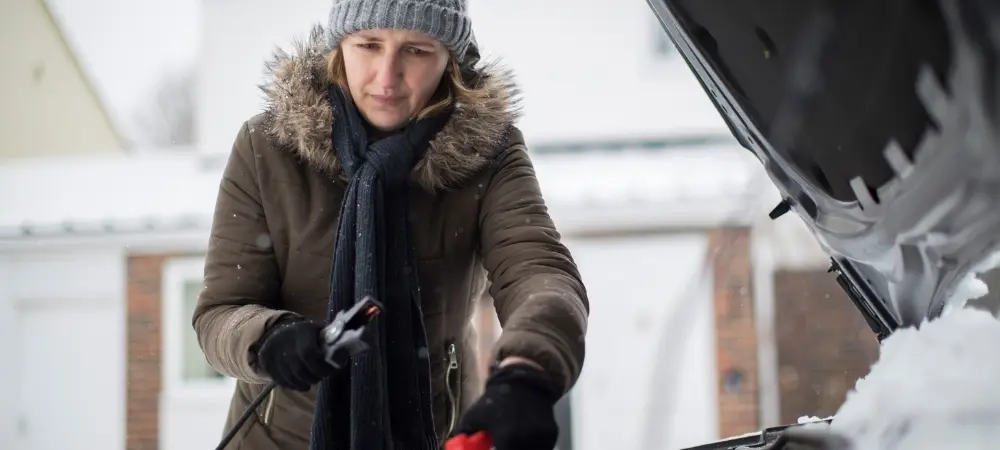
Dead batteries are one of the most common roadside emergencies we respond to. Most car batteries last three to five years, but many die prematurely because of neglect or extreme conditions.
Corrosion on battery terminals restricts electrical flow and makes your battery work harder. Short trips where the battery never fully recharges slowly drain its capacity. Extreme temperatures, especially the kind Colorado Springs experiences, accelerate battery degradation from both ends.
How to avoid it
Clean corrosion off terminals regularly with a wire brush and baking soda solution. If you mostly take short trips, occasionally drive for 20-30 minutes on the highway to fully recharge your battery. Have your battery tested annually after it hits three years old. Replace it proactively before winter if it’s showing weakness. A $150 battery replacement on your schedule beats a $150 emergency call when you’re stranded.
3. Tire Replacement
Tires are another inevitable replacement, but you can significantly extend their life with proper care. Most people replace tires early because of uneven wear, not because they’ve actually reached the end of their usable life.
Underinflated tires wear faster on the edges. Overinflated tires wear down the center. Misaligned wheels cause one side to wear prematurely. Skipping tire rotations means your front tires wear out twice as fast as the rears.
How to avoid it
Check tire pressure monthly and keep it at the recommended PSI listed on your door jamb. Rotate your tires every 5,000 to 7,000 miles. If you notice uneven wear patterns, get an alignment done immediately. Avoid aggressive driving, hard braking, and fast cornering. These simple habits can add 10,000 to 20,000 miles to your tire life.
4. Alternator Failure
Your alternator charges your battery and powers your electrical systems while the engine runs. When it fails, your car runs off battery power alone until the battery dies, leaving you stranded. Alternator replacements typically cost $400 to $800 depending on your vehicle.
Most alternators fail because of worn bearings, bad diodes, or a failing voltage regulator. Warning signs include dimming headlights, flickering dashboard lights, strange electrical behavior, or a battery warning light on your dash.
How to avoid it
Keep your battery terminals clean, as corrosion forces the alternator to work harder. Don’t overload your electrical system with aftermarket accessories that exceed your alternator’s capacity. Have your alternator tested during routine maintenance, especially if your vehicle is over five years old. Catching a weak alternator before it fails completely can prevent getting stranded and potentially damaging other electrical components.
5. Cooling System Repairs
Overheating engines cause catastrophic damage fast. Warped cylinder heads, blown head gaskets, and cracked engine blocks can result from a single overheating episode. These repairs easily run $2,000 to $5,000 or more.
Cooling system failures usually stem from neglected maintenance. Old coolant loses its protective properties and becomes acidic, corroding the radiator from the inside. Rubber hoses become brittle and crack. The water pump impeller wears out. These components don’t fail overnight, they deteriorate gradually.
How to avoid it
Flush your coolant every 30,000 to 50,000 miles depending on your vehicle. Inspect hoses and belts regularly for cracks, soft spots, or bulges. Watch your temperature gauge, if it starts climbing, pull over immediately. Check coolant levels monthly when the engine is cold. At Colorado Springs’ altitude, cooling systems work harder, so don’t skip these checks. Prevention here saves thousands.
Small Efforts, Big Savings
The pattern is clear. Most major repairs start as minor issues that get ignored. A squeal that becomes a grind. A slow leak that becomes an overheat. A weak battery that becomes a dead one. Staying ahead of these common problems doesn’t require mechanical expertise, just attention and consistency. Regular inspections, routine maintenance, and addressing small issues before they escalate will save you thousands in repair costs over your vehicle’s lifetime. When you need a mobile mechanic in Colorado Springs CO to handle preventive maintenance or repairs wherever you are, we’re here to keep you on the road and out of trouble.