Most drivers think car maintenance is complicated or only for mechanics. The truth is, you can prevent big problems with just a few simple checks. Knowing how to monitor your oil, fluids, and tire pressure gives you control over your car’s performance and safety. It can keep your engine running longer, improve fuel efficiency, and even save you from unexpected repair bills.
Checking these essentials does not require special tools or experience. You only need a little guidance and the willingness to look under the hood. Small habits, like noticing the color of your oil or the pressure in your tires, can help you catch issues before they turn into emergencies.
This guide will walk you through each check step by step. You will learn what to look for, how to do it safely, and why each fluid matters. By the end, you will feel confident caring for your car even if you have never done it before.
How to Check Your Engine Oil in Under 5 Minutes
Checking your engine oil is one of the simplest ways to protect your car from serious damage. First, make sure your car is on a level surface and the engine is cool. Pull out the dipstick, wipe it clean, reinsert it fully, and then remove it again to read the level.
A quick tip: check the oil in the morning before driving, as it settles overnight for a more accurate reading.
What Your Oil Level and Color Are Telling You
Healthy oil should be amber and slightly translucent. Dark, gritty oil signals it is time for a change. Too low or too high a level can strain the engine, so topping up or draining excess promptly can prevent costly repairs.
Checking Coolant Safely Without Opening the Wrong Cap
Coolant keeps your engine from overheating, especially on hot summer drives through the Garden of the Gods or steep climbs up Pikes Peak. Before checking, make sure the engine is completely cool. Opening a hot radiator or reservoir can spray boiling fluid and cause serious burns. Look for the coolant reservoir, usually a translucent tank with high and low marks, instead of reaching for the radiator cap.
A quick tip for Colorado drivers: check the level more often during winter, when cold mornings can cause coolant to contract, or in summer, when mountain climbs heat the engine. Bright green, orange, or pink fluid is normal; brown or murky coolant signals a flush is needed.
The Fluid Most Drivers Forget Until It’s Too Late
Brake fluid is easy to overlook, yet it is essential for stopping safely on Colorado Springs’ winding roads and mountain passes. Unlike oil, brake fluid doesn’t get replaced automatically, and old fluid can absorb moisture, reducing braking performance when you need it most. Start by locating the brake fluid reservoir near the back of the engine bay. Check that the level is between the minimum and maximum marks.
Tip for drivers: heavy braking on steep roads can accelerate fluid degradation. If your brake pedal feels spongy after a downhill drive or the fluid looks dark or cloudy, it’s time for a flush. Regular checks can prevent expensive repairs and keep every drive safe.
The Simplest Check That Makes Night and Bad Weather Driving Safer
Windshield washer fluid is one of the easiest ways to improve visibility and stay safe, especially during sudden Colorado Springs storms or snowy winter mornings. Start by locating the translucent washer fluid reservoir under the hood and ensure it is filled to the recommended level. Use a fluid with antifreeze properties in winter to prevent freezing.
A unique tip: check the fluid before heading out to high-altitude areas like Cheyenne Mountain, where dust, pollen, and road salt accumulate faster on your windshield. Even a small top-up can dramatically improve night driving, rainy commutes, or snowy conditions. Clean windows mean fewer glare issues and clearer reactions, giving you confidence on every drive.
How to Check Tire Pressure the Right Way?
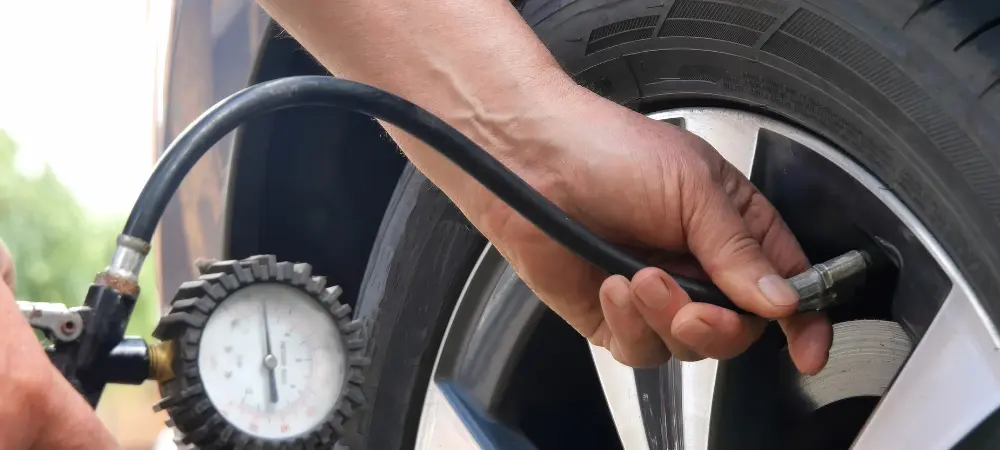
Proper tire pressure is crucial for handling, fuel efficiency, and safety on Colorado Springs’ roads, from city streets to mountain highways. Start with a reliable tire pressure gauge and check your tires when they are cold, ideally in the morning before driving. Remove the valve cap, press the gauge firmly, and compare the reading to the recommended PSI listed on your driver-side door jamb.
Where to Find the Correct Tire Pressure for Your Car?
The correct tire pressure is listed on a sticker inside the driver-side door jamb or in your vehicle’s owner’s manual. Some cars also include it inside the fuel door. Check both the front and rear tire recommendations, as they can differ. Avoid relying on the number printed on the tire itself; that shows the maximum pressure, not the recommended pressure for your car. Keep a note of these numbers in your glove box so you can reference them quickly before checking your tires.
How Often You Should Check Fluids and Tire Pressure
Knowing how to check oil, fluids, and tire pressure is important, but knowing when to check is just as critical. For Colorado Springs drivers, monthly checks are a solid baseline, especially after long drives on dusty roads, steep mountain passes, or during winter when temperature swings affect fluid levels. Before road trips or heavy commuting days, it’s smart to run through all checks in the morning to catch issues early.
A quick tip: keep a simple checklist in your glove box. Checking consistently at the same time each month turns maintenance into a habit. Small, regular inspections prevent emergencies, save money on repairs, and keep your car performing smoothly no matter the weather or elevation.
The Only Tools You Need and You Probably Already Have Them
Maintaining your car does not require a full mechanic’s toolbox. Most drivers in Colorado Springs only need a few basic items to check oil, fluids, and tire pressure. A simple tire pressure gauge, a clean rag, and a funnel are enough for everyday maintenance. For checking fluids, the reservoirs are usually clearly labeled, so no specialized tools are necessary.
A practical tip: invest in a flashlight with a magnet or clip for inspecting reservoirs and dipsticks in the early mornings or darker garages. Keeping these tools in a small bag under your hood or in the trunk ensures you can perform quick checks anytime, whether before heading up Pikes Peak or running errands around town. Minimal effort delivers maximum results.
Mistakes That Can Cause Damage Without You Realizing It
Even small oversights can cause big problems over time. Many drivers in Colorado Springs forget to check fluids after long drives through dusty streets, mountain passes, or winter snow and salt. Overfilling oil or coolant can be just as harmful as letting levels drop too low. Checking tire pressure only when the tires look flat is another common mistake. Cold morning temperatures or elevation changes can mask low pressure until it affects handling.
Avoid guessing based on color alone. Fluids that appear normal in daylight may hide contaminants or moisture. Regular checks, combined with noting changes in your car’s performance, help you catch small issues before they turn into costly repairs.
If at any point you feel unsure about a fluid level, tire pressure, or notice something unusual with your car, don’t wait for a small issue to turn into a major repair. Our team mobile mechanics in Colorado Springs is here to help local drivers keep their vehicles running safely and smoothly. Contact us today for a quick inspection, expert advice, or routine maintenance. A few minutes now can save you time, money, and stress down the road.