Your brakes are one of the most important safety features on your car, yet they are often the most overlooked. Many drivers do not realize that worn or malfunctioning brakes can lead to dangerous situations on the road, especially in Colorado’s hilly and unpredictable terrain.
Knowing how often to have your brakes checked is not just about maintenance. It is about keeping yourself, your passengers, and everyone else on the road safe.
Why Brake Health is More Important Than You Think
Brakes do more than just stop your car. They are essential for controlling your vehicle in unexpected situations, like avoiding a sudden deer crossing or navigating steep Colorado Springs hills. Neglecting brake maintenance can lead to uneven wear, reduced stopping power, or even complete brake failure.
Many drivers underestimate the cumulative effects of daily driving habits. For example, frequently riding the brakes on downhill streets or hauling heavy loads can wear pads faster than the standard schedule suggests. Paying attention to your brakes before problems arise not only keeps you safe but can also save you from costly repairs down the line.
Signs Your Brakes Need Attention Now
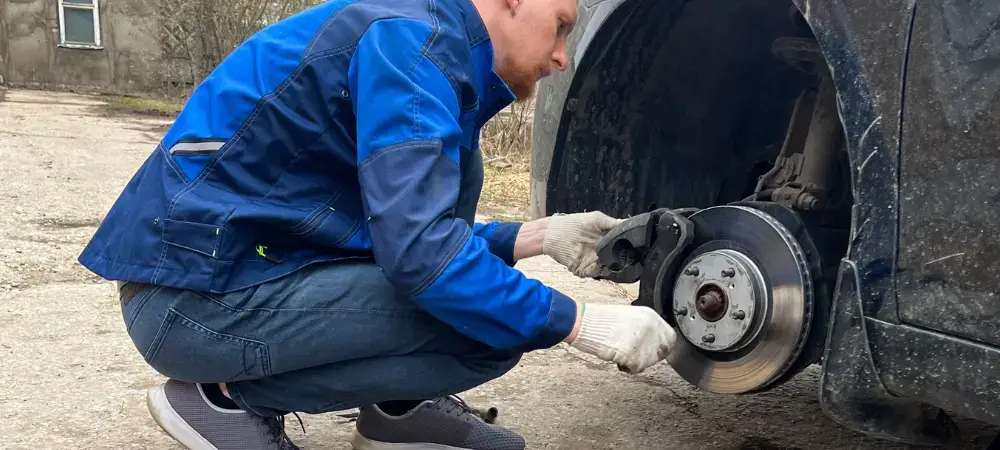
Waiting until your brakes fail is risky and expensive, but not all warning signs are obvious. One of the first things to notice is unusual noises. While a light squeak might just be dust, persistent grinding or metallic scraping often indicates worn pads or a problem with the rotors.
Another tip is to pay attention to how your car responds when braking. If your vehicle pulls to one side, it could mean uneven brake wear or a fluid issue. Vibrations through the brake pedal or steering wheel are also red flags that your brakes need immediate inspection.
Finally, don’t ignore changes in stopping distance. Even small increases can signal fading brake efficiency, which can be especially dangerous on steep roads or in heavy traffic.
Catching these signs early can prevent serious accidents and keep your brakes in top shape.
Manufacturer Recommendations vs. Real-World Use
Car manufacturers typically suggest having your brakes inspected every 12,000 to 15,000 miles or once a year, whichever comes first.
While this is a helpful baseline, real-world driving often demands a more personalized approach. For instance, drivers who navigate Colorado Springs’ steep hills, stop-and-go city traffic, or carry heavy loads regularly may wear out brake pads much faster than the standard schedule suggests.
On the other hand, mostly highway drivers may find their brakes last longer than expected. A good rule of thumb is to combine the manufacturer’s recommendations with your own driving habits.
Checking your brakes twice a year and after any particularly demanding trips can help catch issues before they become serious. Recording mileage and inspection dates can also give you a clearer picture of your brakes’ actual lifespan.
The Colorado Factor: How Local Roads Affect Your Brakes
Living in Colorado Springs means dealing with roads that challenge your brakes in ways most drivers don’t experience. Steep mountain streets and winding passes put constant strain on your braking system, especially during downhill drives. Frequent elevation changes can cause your brakes to heat up quickly, which accelerates wear on pads and rotors.
Winter brings another challenge with icy or snowy roads, forcing more controlled stops that add extra friction and stress. Even city traffic, with its stop-and-go patterns, can take a toll over time.
A unique tip is to occasionally drive on a long downhill stretch at low speed using engine braking rather than constant pedal pressure. This reduces heat buildup and extends brake life. For Colorado drivers, staying mindful of terrain and seasonal conditions is just as important as following the mileage guidelines from your car’s manufacturer.
The Advantage of Regular Brake Inspections
Regular brake inspections do more than just ensure safety. They can save you money and prevent unexpected roadside emergencies. During a thorough check, a mechanic can spot uneven pad wear, fluid leaks, or early signs of rotor warping before they become major problems.
One tip that many drivers overlook is having the brake fluid tested for moisture content. Over time, water can accumulate in the fluid, reducing braking efficiency and causing corrosion inside the system.
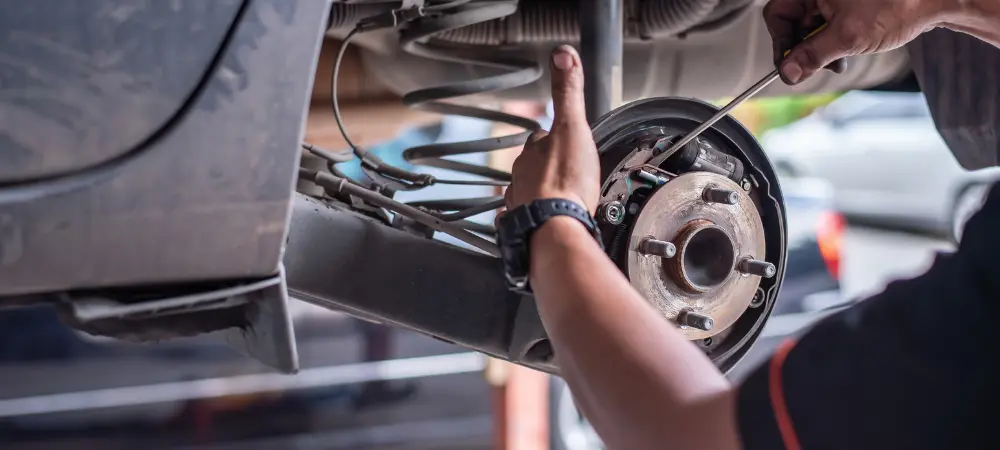
Another practical step is inspecting the calipers and hardware for rust or sticking components, which can silently compromise performance. Scheduling inspections before long trips, after heavy towing, or at the change of seasons can give you confidence that your brakes are ready for any driving condition.
A small investment in regular inspections often prevents a costly repair or dangerous breakdown later.
How a Mobile Mechanic Can Save You Time and Stress
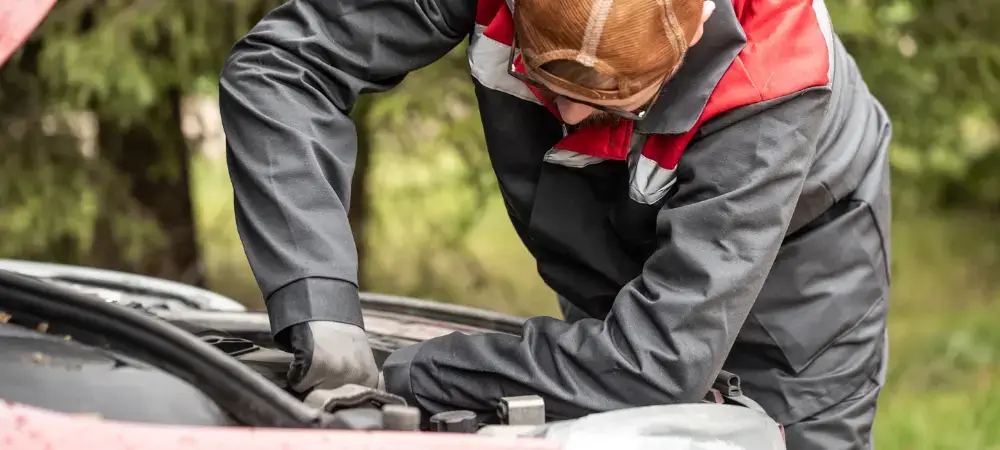
When your brakes start showing signs of trouble, the last thing you want is to wait for a tow or take time off to visit a shop. This is where a mobile mechanic in Colorado Springs can make a real difference. A trained professional can come directly to your home, workplace, or even the side of the road to diagnose and repair brake issues on the spot.
One tip is to schedule regular mobile brake inspections during busy weeks so you never have to rearrange your day for a shop visit. Mobile mechanics also carry essential tools and parts, allowing many repairs to be completed immediately, avoiding the stress of being stranded. For Colorado Springs drivers, this convenience is especially valuable when dealing with steep or remote roads where a tow could be both costly and time-consuming.
Having a reliable mobile mechanic on call means safety, speed, and peace of mind all in one service.
Expert Tips for Extending Brake Life
Extending the life of your brakes is not just about saving money. It is about maintaining safety and control. One effective tip is to practice smooth, gradual braking instead of sudden stops whenever possible. This reduces heat buildup and uneven wear on pads and rotors.
Another strategy is to downshift on long downhill drives in the mountains rather than relying solely on the brake pedal, which helps prevent overheating. Keeping your brake fluid fresh and free of moisture is also crucial, so consider flushing it according to your vehicle’s needs or sooner if you drive in demanding conditions. Checking tire pressure regularly can make a surprising difference too, as underinflated tires force brakes to work harder.
Finally, pay attention to load management; heavy cargo or trailers increase braking strain, so adjusting your driving style accordingly can significantly prolong brake life.
When to Call for Help Immediately
Some brake issues cannot wait for the next scheduled inspection. If you notice grinding or scraping noises, a soft or spongy brake pedal, or your car pulling to one side, it is time to take action immediately.
Sudden changes in stopping distance or vibrations while braking are also clear warning signs that something is seriously wrong. Don’t ignore these symptoms, especially on Colorado’s steep roads where a brake failure can become dangerous in seconds.
One tip is to have a mobile mechanic number saved in your phone so you can get help quickly without wasting time searching.
If you are experiencing any of these warning signs, call us today or request a quote for a fast, roadside brake check. Your safety should never wait.