
The holidays are a time for family, friends, and hitting the open road. But nothing ruins a trip faster than an unexpected breakdown. Before you pack the car and hit the highway, taking a few minutes to check your vehicle can save you time, stress, and money. Whether it’s a short drive across town or a longer journey across Colorado, these simple maintenance steps can help you avoid roadside issues.
Why Pre-Trip Maintenance Matters
A lot of drivers think a quick glance at their car is enough before a long drive. But even small, overlooked issues can turn a smooth trip into a stressful roadside emergency. Understanding why pre-trip maintenance matters goes beyond general advice. It’s about preventing the unexpected.
- Hidden wear can become visible only under stress: Your engine or brakes might seem fine during short drives, but long stretches of highway driving reveal weaknesses that could lead to overheating, stalling, or reduced stopping power.
- Colorado roads pose unique challenges: High altitude and mountain passes put extra strain on engines, brakes, and cooling systems. Even a minor problem that wouldn’t affect your city commute can escalate on a steep incline or winding road.
- Time saved is stress saved: Taking 20–30 minutes to check critical systems now can prevent hours wasted waiting for a tow or scrambling for a repair shop during peak holiday traffic.
- Financial protection: Avoiding a breakdown isn’t just about convenience. Towing fees, last-minute repairs, and missed travel plans can quickly add up. Preventive maintenance is a fraction of the cost of an emergency fix.
Check Your Fluids
Fluids are the lifeblood of your car. While most drivers know to glance at oil or coolant levels, a deep check can prevent serious breakdowns on long trips. Small maintenance steps can save you from getting stranded on the side of the road.
- Engine Oil: Most people check the level but forget to inspect the condition. Dark, gritty oil reduces lubrication, increasing engine wear, especially on long drives with high RPMs. Consider a quick smell and color check. A slightly burnt odor can signal overheating or old oil that needs changing.
- Coolant: Beyond the level, check the mixture. The wrong coolant-to-water ratio can cause overheating or freezing in Colorado’s fluctuating winter temperatures. Look for debris, rust, or sludge in the reservoir as an early warning sign of corrosion inside the radiator.
- Brake Fluid: Clear fluid is easy to overlook, but old or contaminated brake fluid can reduce stopping power. If the fluid looks dark or murky, it might be absorbing moisture, which increases the risk of brake failure on mountain descents.
- Transmission Fluid: Often ignored until a problem arises, transmission fluid should be checked for color and smell. A burnt odor or dark brown fluid is a warning that gears could slip on long highway stretches.
- Windshield Washer Fluid: Not glamorous, but essential for winter driving. A clean windshield reduces glare from sun or headlights and helps you spot icy patches faster. Consider using fluid with anti-freeze properties for colder regions.
Pro tip: Many fluids can hide slow leaks that only become evident under the stress of a long drive. Check for wet spots under the car or small stains on the engine compartment. A mobile mechanic can often spot issues in minutes that could take a regular driver hours to notice.
Inspect Your Tires
Tires are your car’s only contact with the road, yet most drivers only glance at tread depth or inflate them to the recommended pressure. A long holiday drive exposes hidden tire issues that can turn a scenic trip into a roadside emergency.
- Tread and Wear Patterns: Uneven wear is more than a cosmetic issue. Check for cupping, scalloping, or one-sided wear. These patterns can indicate alignment or suspension problems, which become dangerous at highway speeds or on mountain curves.
- Sidewall Inspection: Look for cracks, bulges, or cuts in the sidewalls. Even small imperfections can lead to sudden blowouts under heavy loads or high temperatures.
- Tire Pressure Adjustments for Altitude: Driving in Colorado Springs or higher mountain areas affects tire pressure. For every 1,000 feet of elevation, pressure can rise slightly. Check and adjust before starting your trip to prevent overinflation and uneven wear.
- Check the Spare Tire: Most drivers forget the spare until they need it. Ensure it is properly inflated and in good condition. A spare with low pressure or dry rot is useless in an emergency.
- Wheel Lug Tightness: Loose lug nuts are rare but dangerous. A quick visual check and a hand-tighten where needed can prevent wheel separation on long trips.
Pro tip: Carry a small portable tire gauge and an emergency inflator. A few minutes of attention on tire health can prevent hours stranded on the roadside. Mobile mechanics can also check tires for slow leaks and uneven wear before your journey, saving headaches and potential towing costs.
Test Your Battery and Electrical System
A dead battery or failing electrical system can ruin a holiday trip in seconds. Many drivers only notice battery problems when the car won’t start, but a few quick checks can prevent being stranded.
- Check Terminal Condition: Corrosion or loose connections can reduce starting power. Even a small amount of buildup can prevent your car from starting in cold weather.
- Voltage Test: Use a simple multimeter or ask a mobile mechanic to test your battery voltage. Healthy batteries typically read around 12.6 volts when the car is off and 13.7 to 14.7 volts when running.
- Inspect Electrical Accessories: Headlights, interior lights, and USB ports draw power. Flickering lights or slow accessory response can indicate a weak battery or failing alternator.
- Backup Plan: Keep jumper cables or a portable jump starter in your car. A quick jump can save you hours if your battery fails unexpectedly.
Pro tip: Cold weather reduces battery efficiency. A battery that works fine in summer may struggle in Colorado winter mornings. A mobile mechanic can test it in minutes and replace it before it leaves you stranded.
Examine Brakes and Suspension
Your brakes and suspension are critical for safety, especially on long holiday drives through mountains or busy highways. Minor issues can escalate quickly if ignored.
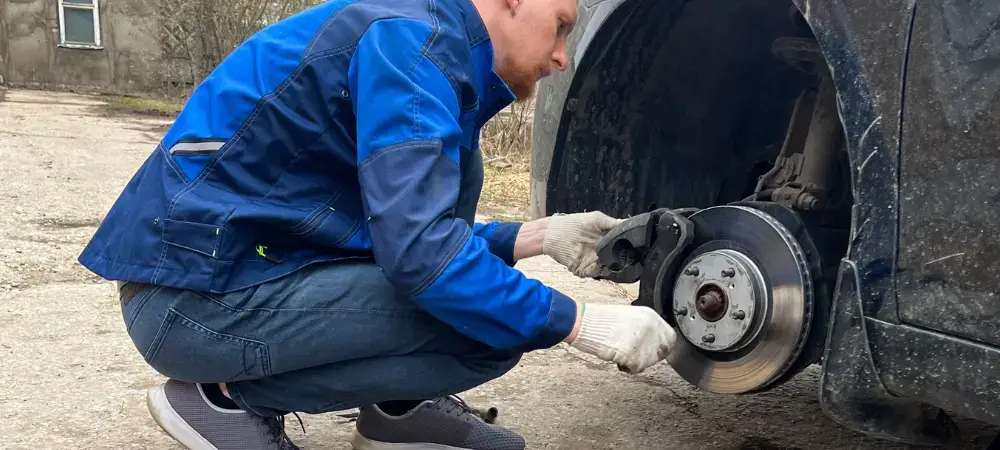
- Brake Pad and Rotor Check: Instead of just listening for squeaks, look for uneven wear or subtle grooves in the rotors. Uneven surfaces can reduce braking efficiency and cause vibrations at highway speeds.
- Brake Fluid Behavior: Old or contaminated brake fluid can feel normal at low speeds but fail under repeated braking on long downhill stretches. A mobile mechanic can test fluid boiling point to ensure reliable stopping power.
- Suspension Health: Pay attention to car stability. Excessive bouncing, pulling to one side, or unusual noises can indicate worn shocks, struts, or bushings. These problems affect handling and tire wear more than most drivers realize.
- Check Wheel Bearings: A humming or grinding sound that changes with speed may signal worn wheel bearings. Ignoring this can lead to costly repairs or unsafe driving conditions on long trips.
Pro tip: Subtle symptoms like minor vibrations or soft pedal feel can be early warnings of brake or suspension issues. A pre-trip check with a trained mobile mechanic can detect hidden problems that save you from dangerous situations and expensive repairs.
Lights and Wipers: Don’t Overlook Them
Visibility is often underestimated, but poor lighting or worn wipers can quickly turn a safe drive into a dangerous situation. Especially during winter or evening holiday travel, small issues can have big consequences.
- Headlights and Taillights: Check not just that they turn on, but also the brightness and alignment. Misaligned headlights reduce your visibility on dark roads and can blind oncoming drivers. Replace bulbs in pairs to maintain consistent illumination.
- Turn Signals and Brake Lights: A single burned-out bulb can create confusion for other drivers and increase accident risk. Test all signals, including hazards, before leaving home.
- Wiper Blades and Washer Fluid: Worn blades leave streaks that distort vision, especially when snow or road salt is present. Replace old blades and use washer fluid with anti-freeze properties to clear ice or grime.
- Inspect Electrical Connections: Loose wiring or corroded sockets can cause intermittent lighting failures. A quick visual check can prevent a sudden outage on the road.
Pro tip: Keep a small LED flashlight or extra fuses in your car. A quick roadside fix can restore visibility and prevent towing or accident risks. Mobile mechanics can also do a full lighting inspection in minutes, ensuring your car is safe for long trips.
Emergency Kit Essentials
Even the best-maintained car can run into trouble on a long holiday drive. A well-prepared emergency kit can save time, money, and stress.
- Beyond the Basics: In addition to jumper cables, flashlight, and blankets, include a tire pressure gauge, compact tool kit, and duct tape for quick fixes.
- Roadside Comfort Items: Pack bottled water, high-energy snacks, and a small first-aid kit. These make unexpected delays more manageable.
- Seasonal Extras: For winter travel, include ice scrapers, hand warmers, and a small bag of sand or kitty litter for traction if you get stuck.
- Tech Helpers: Keep a portable phone charger and a power bank. Being able to call for help or a mobile mechanic quickly is crucial when stranded.
Pro tip: A few well-chosen items in your kit can turn a stressful roadside situation into a minor inconvenience. Mobile mechanics can handle most repairs on-site, but your kit keeps you comfortable until help arrives.
Call a Mobile Mechanic for Last-Minute Issues
Even after a thorough pre-trip check, small problems can appear at the worst possible time. That’s where a mobile mechanic in Colorado Springs CO can make all the difference.
- Quick On-Site Fixes: From battery issues to minor fluid leaks, many problems can be repaired roadside in minutes, avoiding the stress of a tow.
- Peace of Mind: Knowing a professional can reach you quickly means you can travel without constantly worrying about hidden issues.
- Save Time and Money: Mobile services often cost less than towing to a shop and reduce downtime, keeping your holiday plans on track.
Pro tip: Schedule a last-minute mobile check before departure. Even minor inspections can prevent major disruptions and give you confidence for every mile of your trip.
Final Checklist Before You Hit the Road
- Check All Fluids – Ensure engine oil, coolant, brake fluid, transmission fluid, and windshield washer fluid are at proper levels and in good condition. Look for discoloration, debris, or unusual odors.
- Inspect Tires – Verify tread depth, sidewalls, tire pressure, and spare tire condition. Adjust for altitude if traveling through higher elevations.
- Test Battery and Electrical System – Confirm battery voltage, secure terminals, and inspect headlights, taillights, brake lights, and turn signals for full function.
- Examine Brakes and Suspension – Check brake pads, rotors, and fluid. Pay attention to suspension performance, unusual noises, or vibrations.
- Check Lights and Wipers – Make sure all lights are bright and properly aligned. Replace worn wipers and use washer fluid suitable for winter conditions if needed.
- Prepare Your Emergency Kit – Include jumper cables, tools, flashlight, water, snacks, first-aid items, and seasonal essentials like ice scrapers or traction material.
- Call a Mobile Mechanic if Needed – Address any last-minute concerns with a professional who can perform repairs roadside and prevent breakdowns before they happen.
Following this checklist ensures your vehicle is ready for a safe and stress-free holiday journey. A few minutes of preparation can make all the difference between enjoying the drive and facing an unexpected roadside emergency.